
THE HISTORY OF THE CAPAY VALLEY
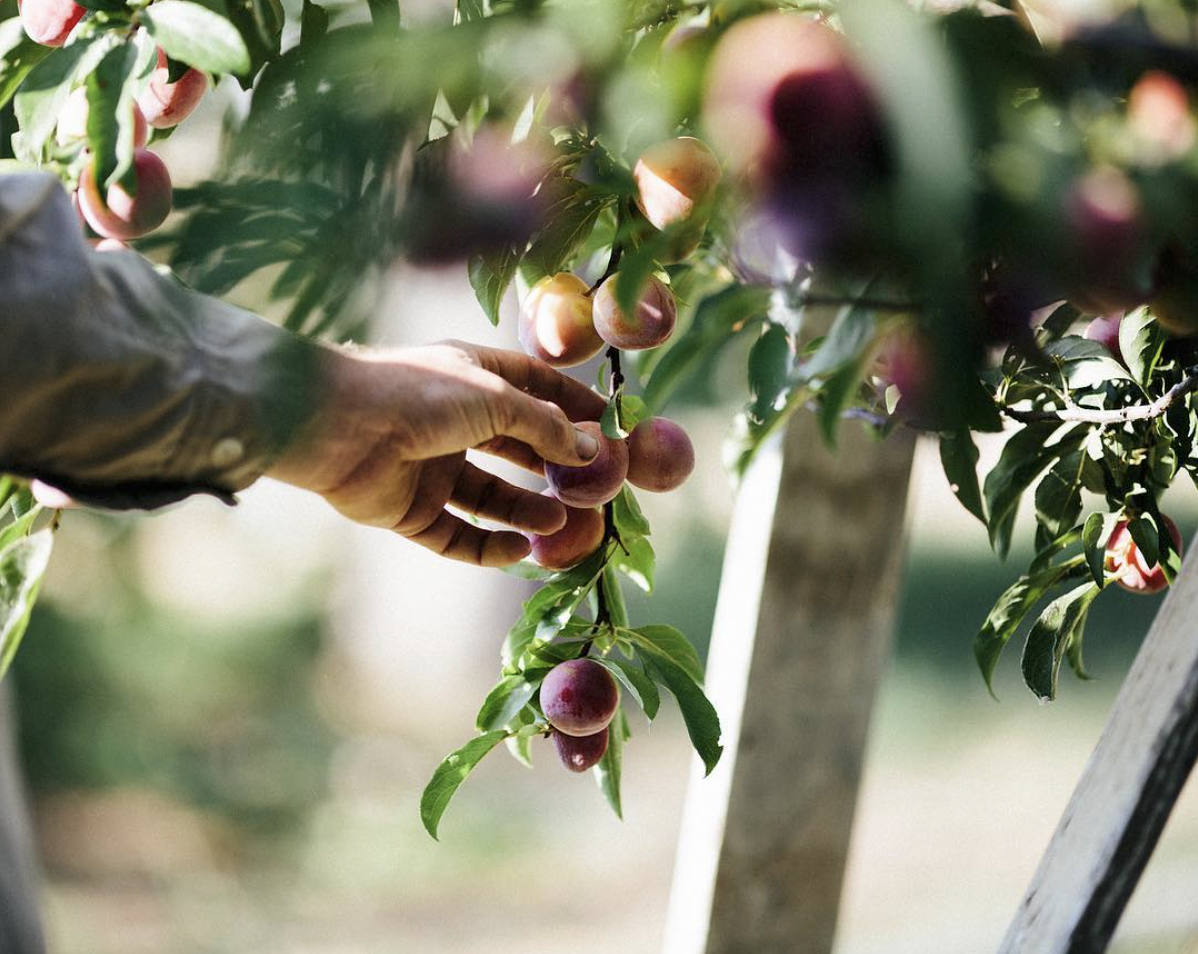
Inspired by the Heritage. Growing for the Future.
For more than two decades, Capay Valley Grown (CVG) has celebrated the farms, people, and products that make this rural pocket of Northern California so special.
A Connection that Runs Deep
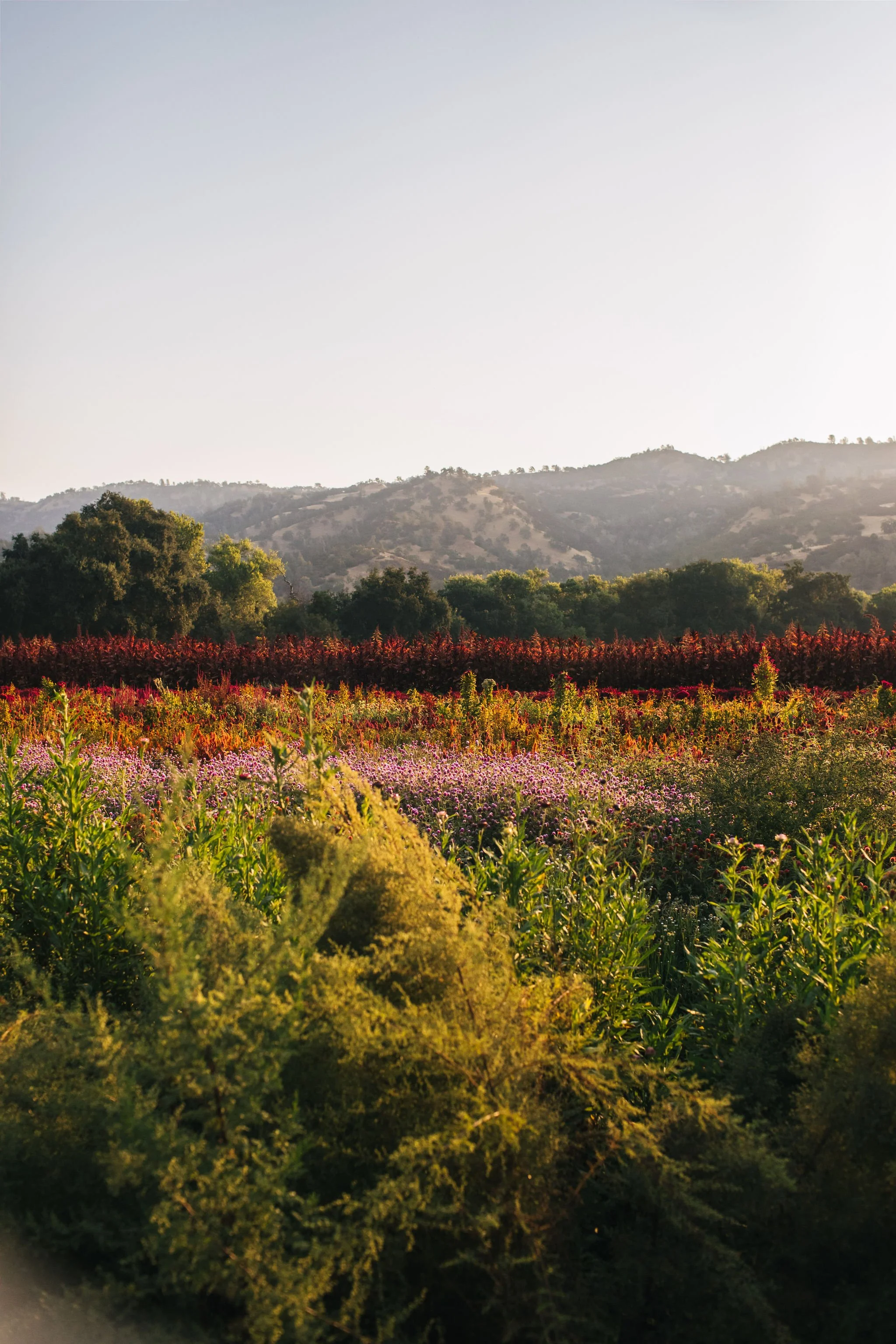
The Capay Valley has always been a place defined by its relationship with the land — a connection that runs deep, stretching back thousands of years and continuing to shape the valley’s identity today.
From the original stewards of this land, the Yocha Dehe Wintun Nation, to the generations of farmers, ranchers, and growers who came after, the story of the Capay Valley is one of care, resilience, and renewal.
The Original Stewards
Yocha Dehe Wintun Nation
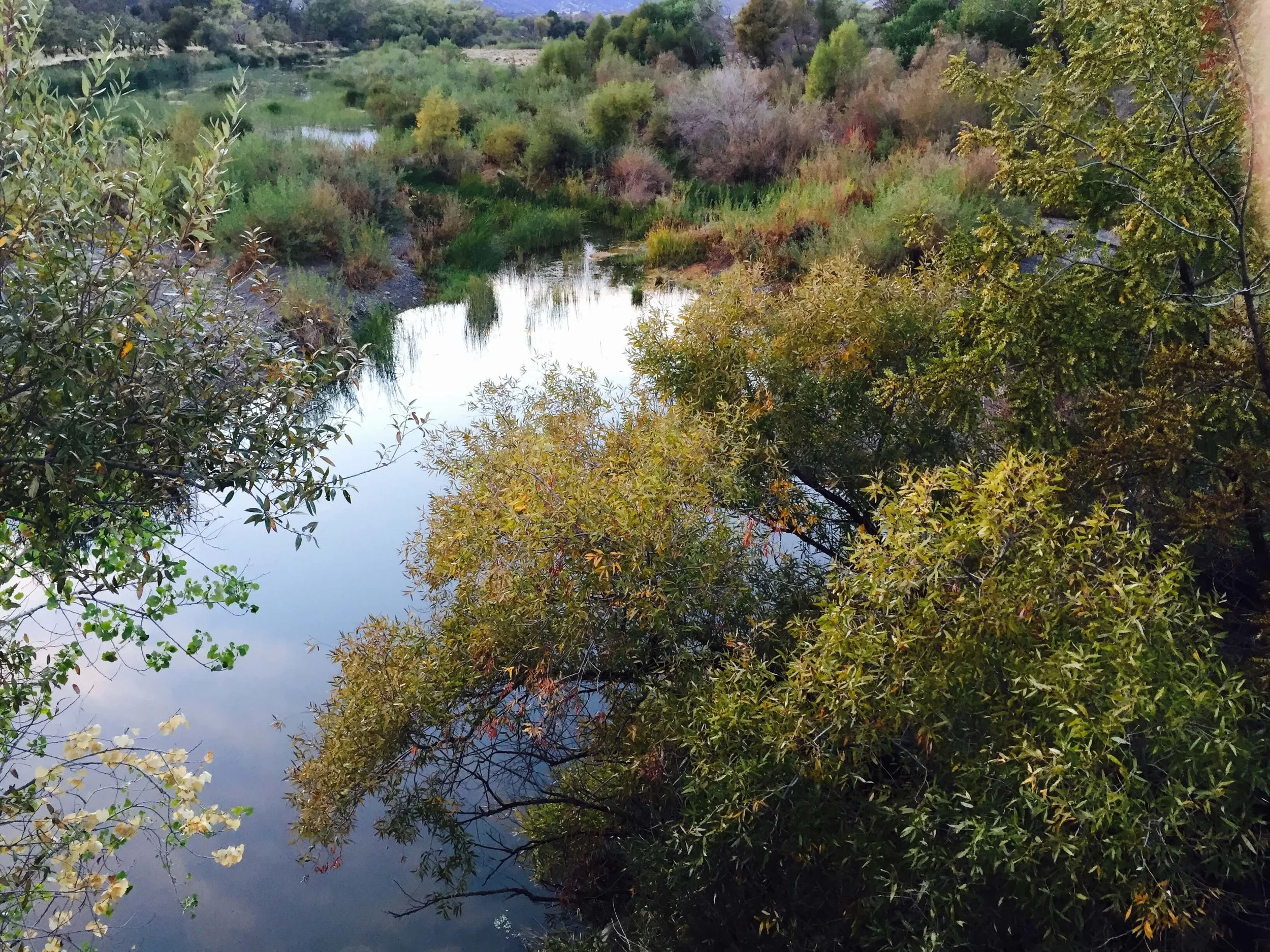
“Yocha Dehe,” meaning “home by the spring water” in the Patwin language, honors the Tribe’s ancestral connection to the Capay Valley and the Cache Creek watershed. For centuries, the Yocha Dehe people lived in harmony with this land - hunting, tending, and trading across the valley’s fertile expanse.
Today, the Tribe continues to honor those traditions through cultural renewal, land stewardship, and community leadership. With a commitment to sustainability and self-governance, the Yocha Dehe Wintun Nation has become a model of resilience - restoring traditional lands, supporting local conservation, and building innovative agricultural enterprises such as the Séka Hills Olive Mill and Tasting Room.
Their diverse farm and ranch operations - more than 1,200 acres of which are protected under conservation easements - reflect a balance between growth and preservation, ensuring that future generations can continue to thrive in this remarkable landscape.
Farming Roots and Railraods
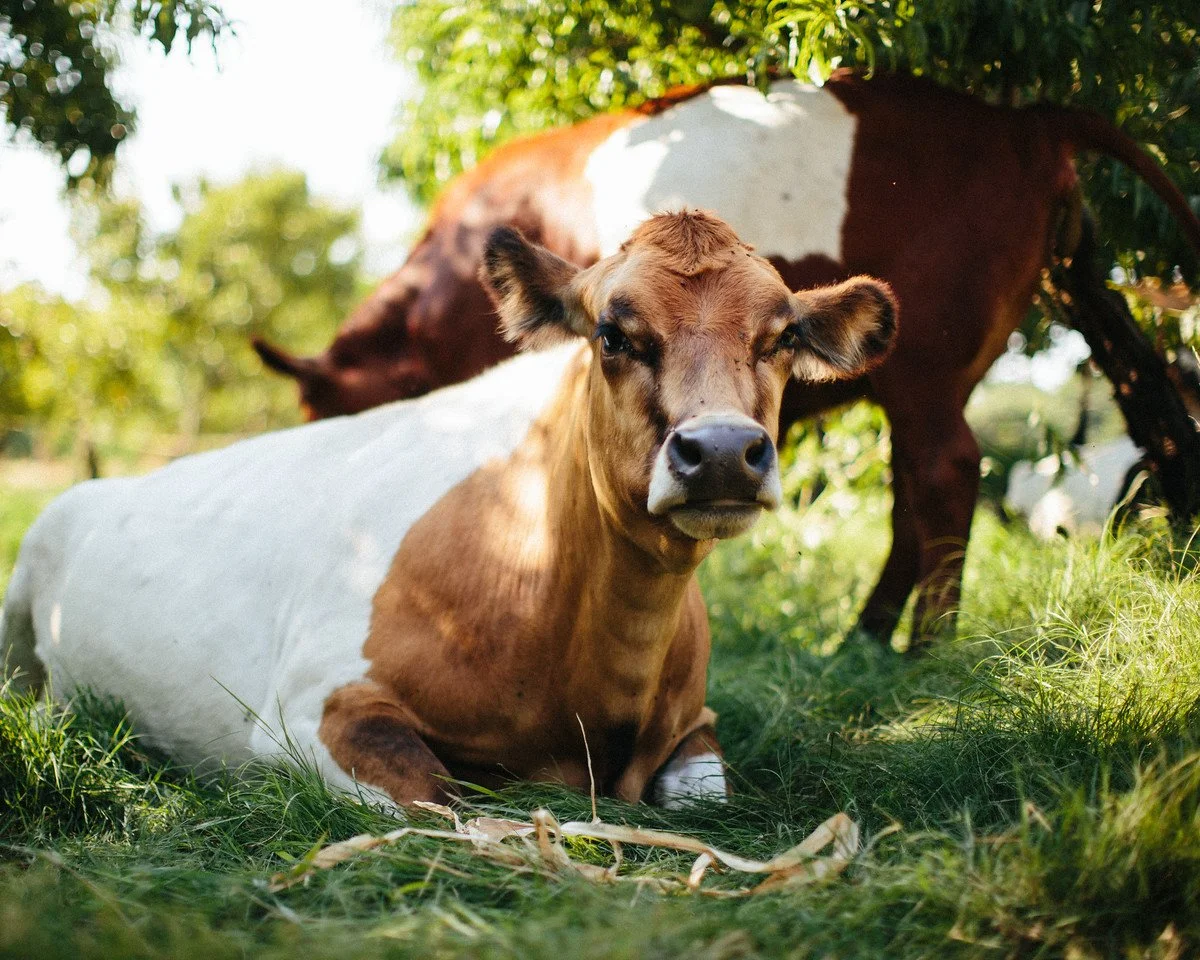
By the mid-1800s, settlers drawn by the valley’s fertile soil and abundant water began establishing farms and ranches along Cache Creek. The Mexican land grant known as Rancho Cañada de Capay was the foundation for early livestock and grain operations, and by the 1860s, vineyards and fruit orchards dotted the landscape.
The arrival of the Vaca Valley & Clear Lake Railroad in the late 1870s connected the valley’s towns — Madison, Esparto, Guinda, and Rumsey — to broader markets. Packing sheds buzzed with activity, and trains carried Capay-grown fruit, grain, and wine across California.
Though the railroad line closed in the 1930s, agriculture remained at the heart of the valley’s economy and culture. Generations of farmers, ranchers, and migrant workers — from African-American homesteaders to Mexican and Latin American families — helped shape the valley’s rich agricultural identity.
A Living Legacy
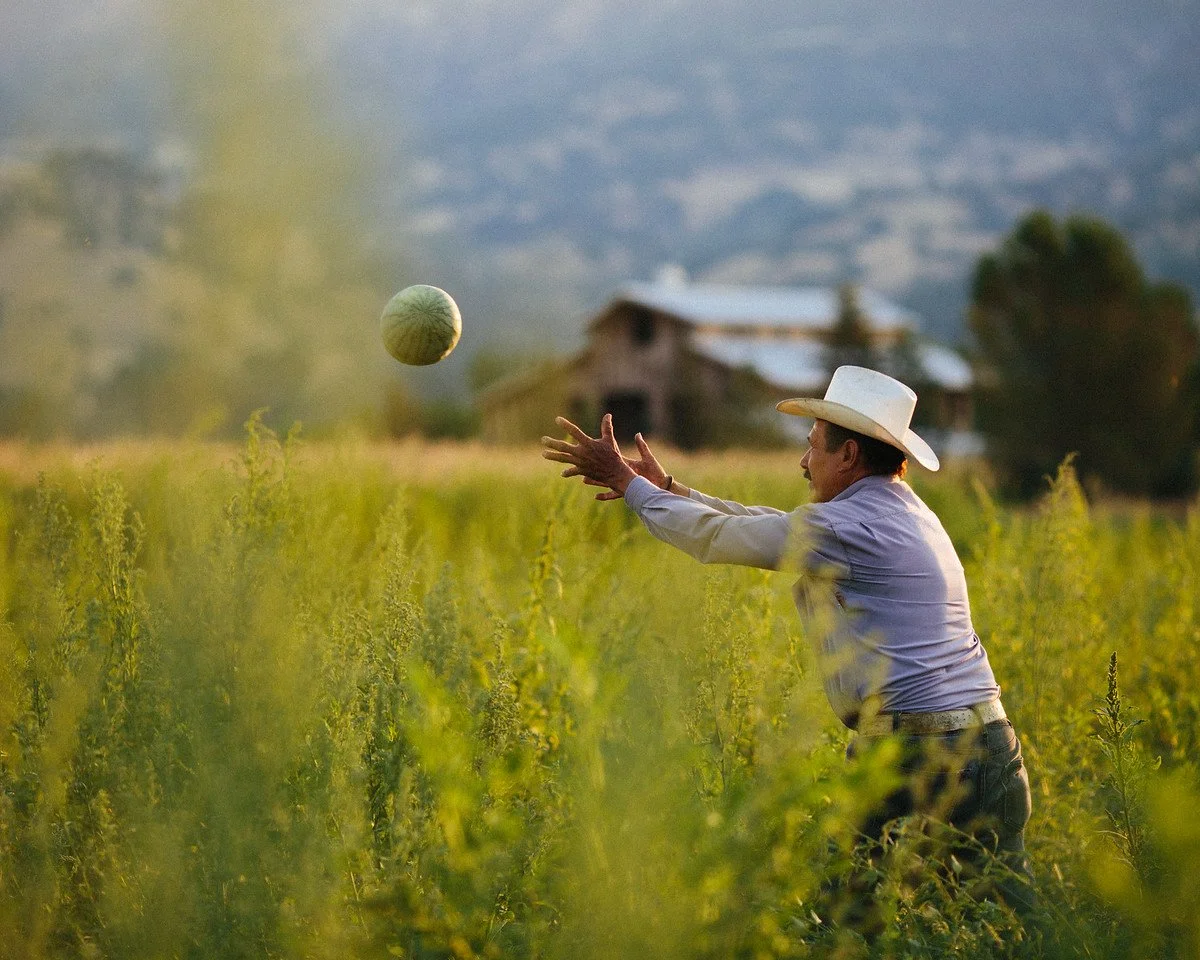
Today, the Capay Valley is home to a thriving community of small, family-owned farms, many of which are organic or sustainably managed. These farms carry forward the valley’s long tradition of working with the land — producing high-quality fruits, vegetables, grains, nuts, and flowers that nourish both people and place.
Capay Valley Grown was created to celebrate and strengthen that legacy — honoring the region’s agricultural roots while building a shared future grounded in collaboration, community, and sustainability.
Through collective storytelling, marketing, and agritourism, CVG helps preserve the spirit of the valley: a place where history, culture, and connection to the land continue to grow together.
At Capay Valley Grown, we believe the best way to honor the past is to nurture its future.
We are dedicated to:
CAPAY VALLEY GROWN’S COMMITTMENT
Fostering education and awareness of the valley’s history and ecology.
Protecting and promoting the valley’s agricultural heritage.
Creating opportunities for visitors to experience and appreciate the region’s living legacy.
Supporting sustainable land management and family farms.
As we look ahead, we carry with us the lessons of those who came before - the stewardship of the Yocha Dehe Wintun Nation, the innovation of early farmers, and the collective spirit that binds this community together. This is the story of Capay Valley.
Still rooted. Still growing.
More to Explore
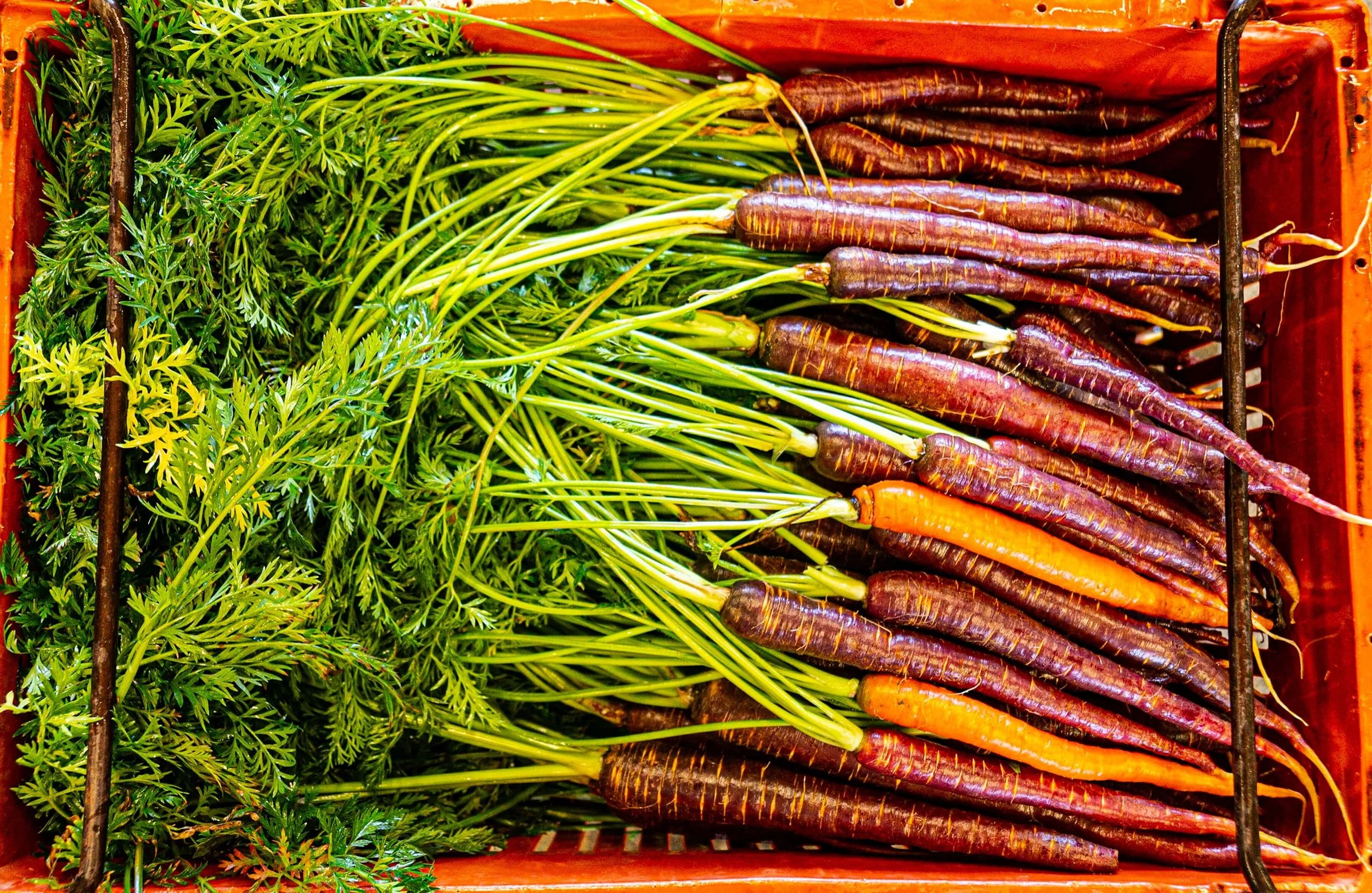
Head to the CVG Collective page to discover more farms and agricultural producers.
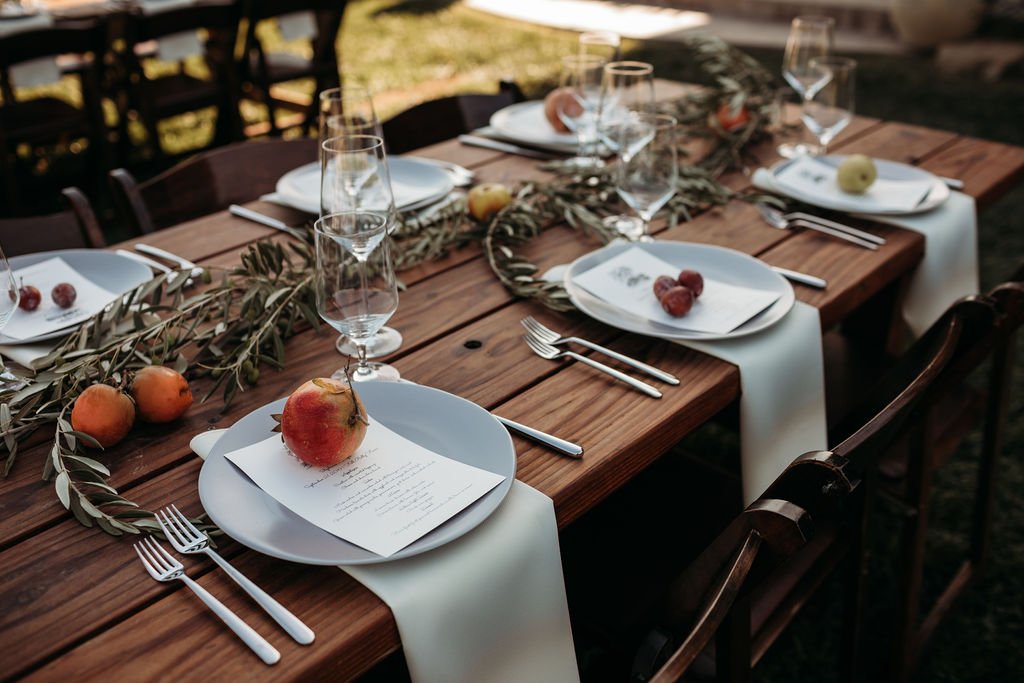
Plan your visit to the Capay Valley with dining, shopping, and local experiences.
Are you a farm or agricultural producer in the Capay Valley? Become a member.
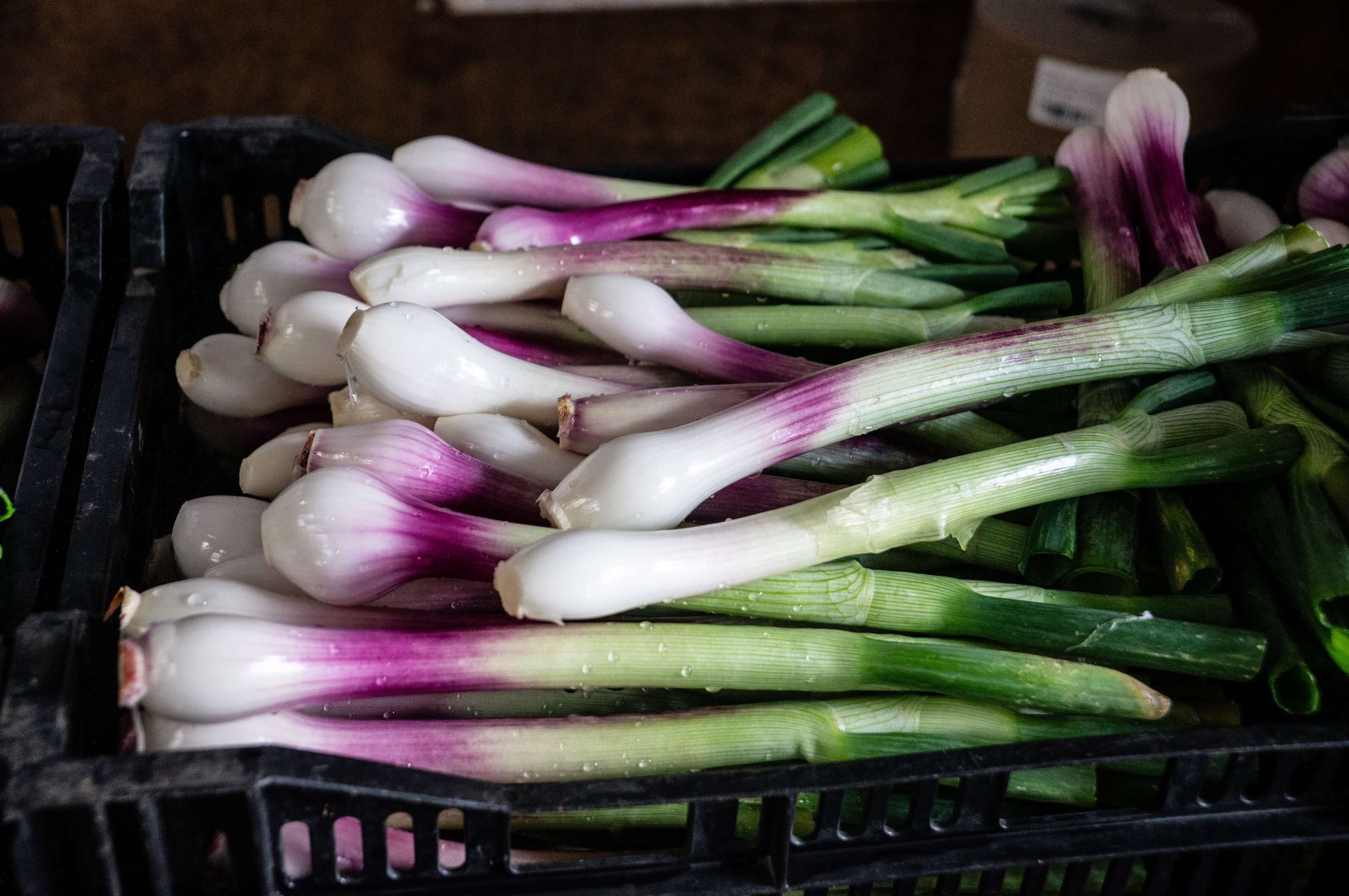
Stay Connected with Rooted in Capay Valley
Rooted in Capay Valley is a love letter from the Capay Valley Grown collective — filled with
Field Notes from our farms, upcoming community events, seasonal picks, and stories that celebrate the people and place that make this valley thrive. Thoughtful, local, and always intentional.